Optimizing Your Site for Local SEO (Google My Business Integration)
How to Choose the Right Business Categories for Your Profile in India

Jan
Mastering India’s Digital Landscape: The Definitive Guide to Strategic Business Category Selection
In the vibrant, rapidly evolving digital economy of India, every decision your business makes can have profound implications for its success. Among these, the seemingly simple act of choosing your business categories stands out as a critical, often underestimated, strategic imperative. Far from being a mere administrative detail, your category selection dictates your visibility, shapes customer perception, and forms the bedrock of your local SEO efforts in one of the world’s most competitive and diverse markets.
This authoritative guide from DebugPress.com delves deep into the nuances of business categorization for the Indian context. We’ll move beyond surface-level advice to provide actionable insights that empower intermediate to advanced WordPress professionals, developers, and digital marketers to carve out a distinct, visible, and trusted niche. Understanding the ‘why’ and ‘how’ of precise categorization is not just beneficial; it is absolutely essential for sustained growth and relevance in India’s digital landscape.
Let’s unlock the power of strategic category selection to ensure your business doesn’t just exist online, but thrives and dominates.
The Strategic Imperative: Positioning Your Business in India’s Digital Arena
In a market as dynamic and competitive as India, the choice of your business category is not merely an administrative task, but a critical geo-strategic decision. It defines your positioning, dictates your visibility, and influences how potential customers perceive your offerings. Generic choices can lead to your business being lost in the noise, while precise categorization can carve out a distinct competitive niche, guiding the sophisticated digital consumer journey in India.
Beyond Basic Listing: Why Categories are Geo-Strategic
Consider your business category not as a tag, but as a compass point directing your target audience towards you. In India, with its vast geographical spread and diverse linguistic and cultural subsets, this compass needs to be hyper-accurate. Categories serve as primary filters for users employing local search queries, directly influencing whether your business appears in relevant results across cities, states, and even specific neighborhoods. This geo-strategic relevance is paramount for capturing local market share and building a strong, localized brand presence.
Defining Your Digital Footprint: First Impressions that Matter
Your business category is often the first descriptive piece of information a potential customer encounters about your offerings, particularly on platforms like Google My Business. This initial impression is crucial for building Visibility & Trust. An accurate and relevant category immediately communicates your core value proposition, making it easier for consumers to understand if your business meets their needs. Conversely, a vague or misleading category can lead to confusion, bounce rates, and a diminished sense of credibility, particularly with Indian consumers who value clear communication and authenticity.
Avoiding Digital Obscurity: The Cost of Generic Choices
In a market as saturated as India, opting for overly broad or generic categories is a direct path to digital obscurity. If you’re a niche service provider, say, ‘Bespoke Rajasthani Handicrafts’, choosing a broad category like ‘Retailer’ will pit you against massive e-commerce platforms and general stores, making it nearly impossible to stand out. Precise categories allow you to target specific user intent, significantly reducing competition and increasing your chances of appearing in highly relevant, lower-volume search results that convert at a higher rate. This precise targeting is a cornerstone of effective Local SEO Foundation in India.
Adapting to India’s Consumer Journey: A Dynamic Approach
The Indian consumer journey is increasingly sophisticated, driven by mobile-first behaviors and an expectation of instant, hyper-relevant information. Your category choice must deeply align with your core offerings and the specific target customer segments within India’s diverse market. This requires an Adaptability & Evolution mindset. What works today might need refinement tomorrow as market trends shift, new services emerge, and consumer preferences evolve across India’s regions. Your category strategy should be a living document, subject to periodic review and optimization.
Mapping Your Offerings: Navigating India’s Diverse Market Categories
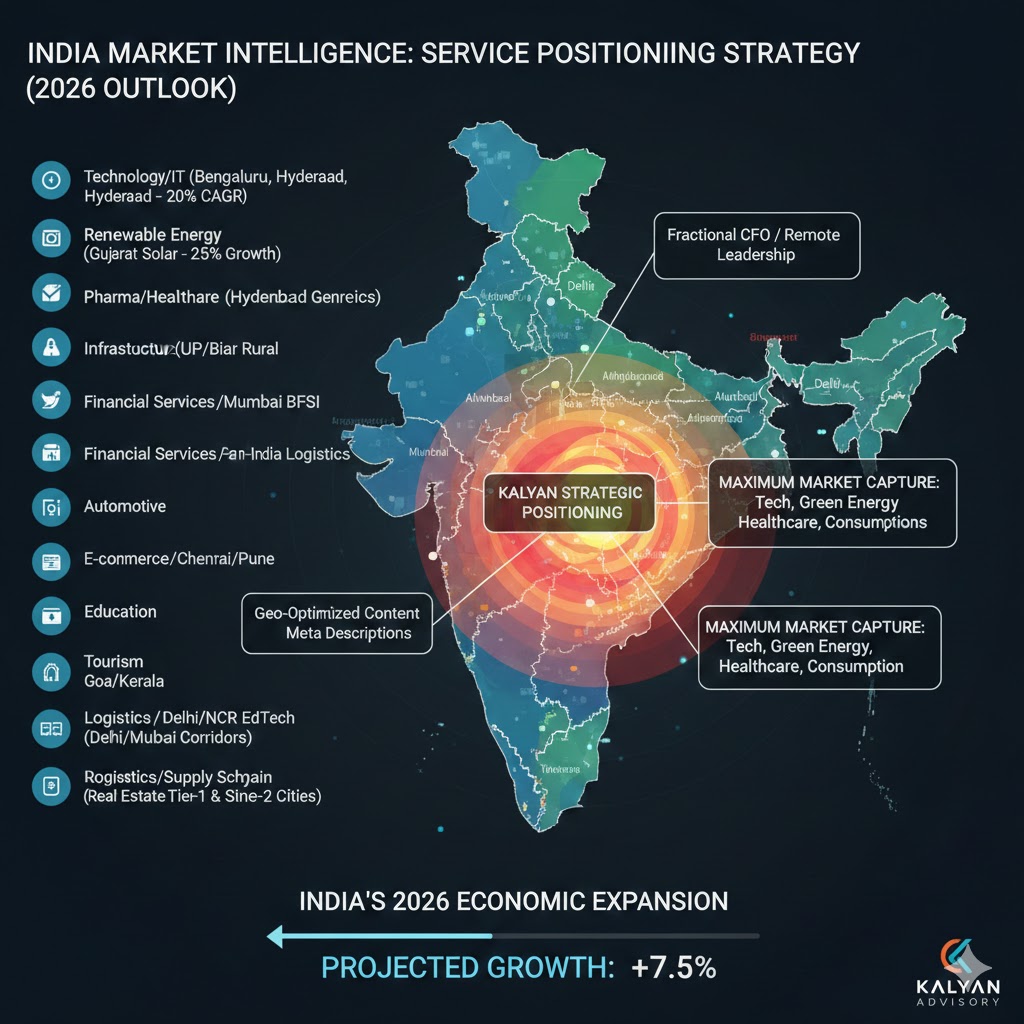
Understanding your core products and services is the first step, but mapping them effectively to available categories requires an astute understanding of the Indian consumer mindset. Distinguish clearly between your primary offering and any secondary services. Consider how regional variations across India might influence the relevance and searchability of certain categories. A category that performs well in a metropolitan hub might need refinement for a Tier 2 city.
Core vs. Secondary Services: Precision in Identification
The first rule of categorization is to identify your primary business function. What is the single most important service or product you offer? This should dictate your primary category. For example, a web development agency specializing in e-commerce might choose ‘E-commerce Developer’ rather than just ‘Web Designer’. Only after establishing this core should you consider secondary categories for related services, such as ‘SEO Consultant’ or ‘Digital Marketing Agency’, if these are significant offerings. Avoid the temptation to list every minor service; focus on those that genuinely drive customer acquisition and represent your brand accurately.
Regional Nuances: Categories that Resonate Locally
India is not a monolithic market. A category that performs exceptionally in Mumbai might be less impactful in Varanasi, and vice-versa. Understanding regional variations is paramount. For instance, a ‘Traditional Sweets Shop’ might be highly searched in specific cultural contexts, whereas ‘Gourmet Dessert Cafe’ might be more prevalent in urban centers. Language, local customs, festivals, and economic drivers all influence how consumers search for businesses. Researching local search terms and competitor categories in your specific operational areas will provide invaluable insights for fine-tuning your choices.
Understanding the Indian Consumer Mindset: Beyond Keywords
While keyword research is fundamental, a truly strategic approach delves into the Indian consumer mindset. How do they describe your service or product in their natural language? What problems are they trying to solve? Categories should reflect this understanding. For instance, a ‘Tiffin Service’ is a common and understood category across India, reflecting a specific dietary need and cultural practice, rather than a more generic ‘Food Delivery Service’. Aligning with these cultural and practical understandings enhances discoverability and trust.
The Semantic Web: How Search Engines Interpret Categories
Search engines, particularly Google, leverage sophisticated semantic analysis to understand the relationships between search queries and business categories. They don’t just match keywords; they interpret user intent. Choosing categories that semantically align with your offerings helps search engines classify your business accurately and present it to users who are truly looking for what you provide. This depth of understanding is crucial for maximizing your Local SEO Foundation and ensuring your business is recommended for the right searches, even those not explicitly containing your category name.
Leveraging Local Search Power: Optimizing for Indian Discovery Platforms
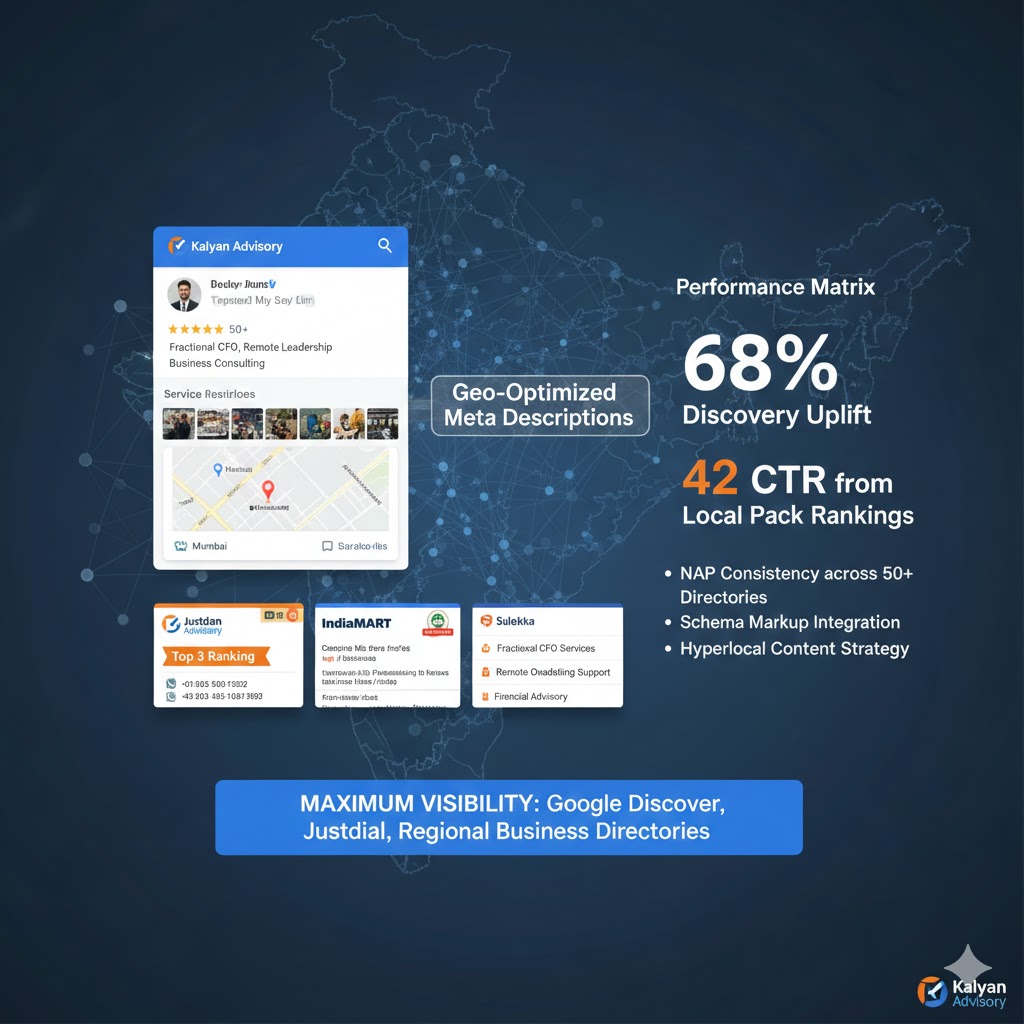
Optimization for platforms like Google My Business, Justdial, IndiaMART, and other popular local directories is non-negotiable for Indian businesses. Your chosen categories directly influence how your business is matched with user search queries and its visibility in local pack results. Consistency across all online profiles is vital to build a strong digital presence.
Google My Business and Beyond: Essential Platforms for India
While Google My Business (GMB) remains the cornerstone of local search, India’s digital ecosystem is rich with other critical platforms. Justdial, IndiaMART, Yellow Pages India, and specialized industry directories each offer unique avenues for visibility. Each platform often has its own set of categories, and while consistency is key, understanding the specific nuances and most relevant categories for each platform is vital. Prioritize platforms where your target audience is most active and ensure your primary categories are accurately represented across all of them.
The Role of Categories in Local Pack Visibility
For Indian businesses, the ‘local pack’ – the map-based results that appear at the top of many local searches – is a golden ticket to visibility. Your selected categories are a primary signal that Google uses to determine whether your business is relevant enough to appear in these coveted spots. Businesses with highly specific and accurate categories are far more likely to be matched with precise user queries, significantly boosting their chances of appearing in local packs. This direct link to visibility underscores the importance of a well-researched category strategy as a Local SEO Foundation.
Consistency Across Platforms: Building a Unified Digital Presence
Imagine a customer searching for your business on GMB, then Justdial, and finding different primary services listed. This inconsistency can erode trust and confuse both customers and search engines. Maintaining consistency across all online profiles is not just good practice; it’s essential for building a unified, credible digital presence. Ensure your business name, address, phone number (NAP), website, and especially your core categories are identical wherever your business is listed. This reinforces your brand identity and helps search engines confidently verify your business’s authenticity and offerings.
Tracking Performance: Metrics for Local Search Success
Strategic category selection doesn’t end after initial setup; it requires continuous monitoring and adaptation. Leverage analytics tools provided by platforms like GMB (Insights) to track how users are finding your business. Are they searching directly for your brand, or are they discovering you through category-specific searches? Monitor your appearance in local pack results and review the types of queries that trigger your business profile. These metrics provide invaluable feedback, allowing for data-driven adjustments to your categories, ensuring your Adaptability & Evolution strategy remains effective.
For Indian businesses, local search visibility directly translates to trust and footfall, with over 70% of Indian smartphone users regularly searching for local businesses before making a purchase decision.
Expert Tip: Consider setting up Google Alerts for your chosen categories within specific regions. This can help you track competitor activities and identify emerging trends or popular new categories in your local market.
Niche vs. Broad: Crafting Your Market Penetration Strategy for India
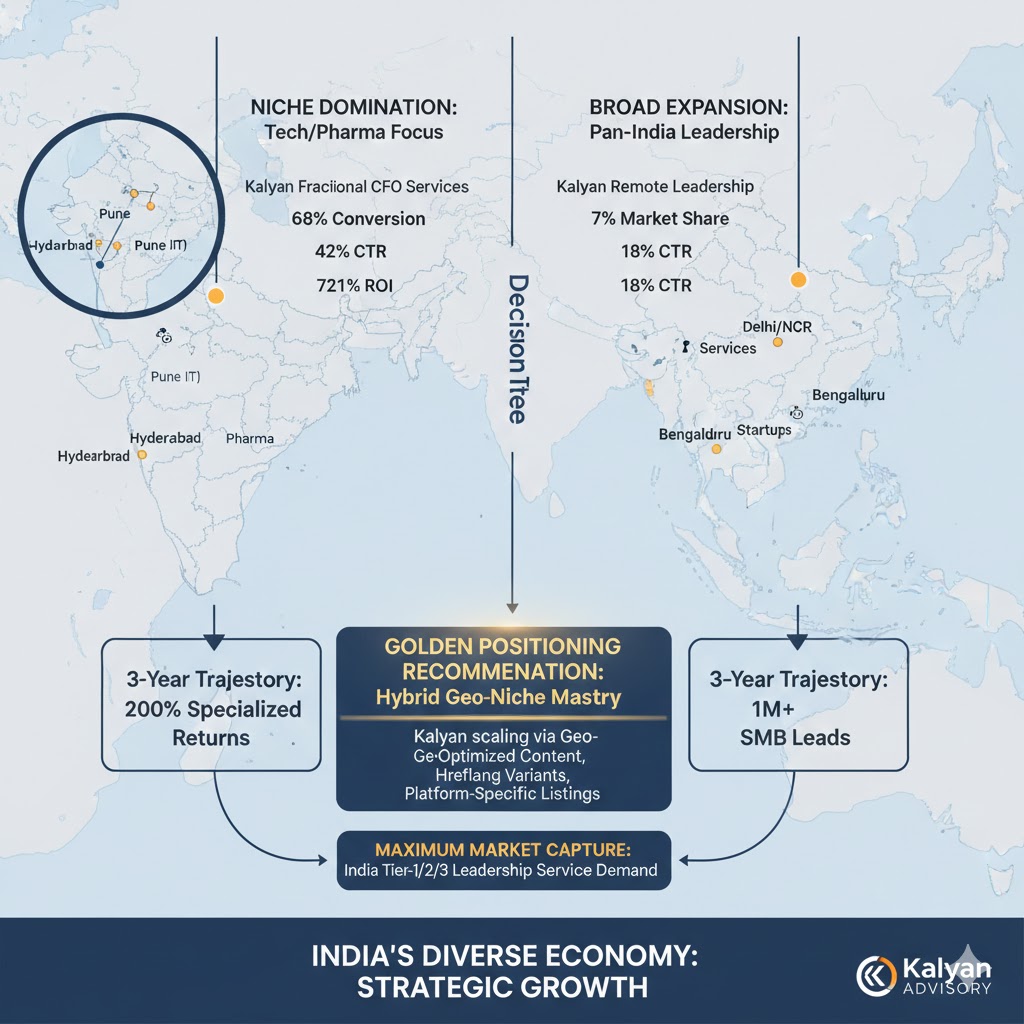
Deciding between a highly specific niche category and a broader one requires careful strategic thought. Niche categories can attract highly qualified leads, but might limit overall reach. Broad categories can offer wider exposure but risk diluting your unique value proposition in a crowded market. The optimal strategy often involves starting with a carefully selected primary niche, complemented by relevant broader secondary categories, allowing for refinement as your brand gains traction across the Indian subcontinent.
The Power of Niche: Attracting Highly Qualified Leads
Choosing a niche category is like using a laser instead of a flashlight. It directs your marketing efforts and search engine visibility towards a very specific segment of the market that is actively seeking your precise offering. For example, ‘Organic Vegan Bakery’ is far more effective at attracting highly qualified leads than just ‘Bakery’. While the search volume for niche categories might be lower, the conversion rates are typically much higher. This strategy is excellent for businesses looking to establish expertise and authority within a specialized segment, fostering strong Visibility & Trust among a dedicated customer base.
The Reach of Broad: Expanding Your Initial Exposure
Conversely, broad categories offer wider exposure and can capture a larger audience, especially for new businesses or those offering a wide range of services. For example, a ‘Restaurant’ category might get more overall searches than ‘Goan Seafood Restaurant’. The challenge with broad categories in India’s competitive landscape is the increased competition, making it harder to stand out and communicate your unique value. This approach is often better suited as a secondary category, complementing a precise primary niche, or for businesses with a truly mass-market appeal where differentiation comes from other factors like branding or pricing.
The Hybrid Approach: Primary Niche, Complementary Broad
The most effective strategy for many Indian businesses is a hybrid approach. Start by selecting one highly specific, primary niche category that perfectly encapsulates your core offering. Then, strategically complement this with 2-4 broader, yet relevant, secondary categories. For instance, a ‘Custom Software Development Company’ could have secondary categories like ‘IT Consultant’ or ‘Web Development Service’. This allows you to capture both highly specific, high-intent searches (via your niche) and broader, exploratory searches (via your secondary categories), providing a balanced Local SEO Foundation that maximizes both reach and relevance.
Evolution and Refinement: Adapting Category Strategy Over Time
Your business is not static, and neither should be your category strategy. As your business evolves, as you introduce new products or services, or as market trends shift, your categories must adapt. This requires an ongoing process of Evolution and Refinement. Regularly review your categories (perhaps quarterly or semi-annually), analyze performance data, and be prepared to make strategic adjustments. For example, if a new service becomes highly popular, it might warrant a new primary or secondary category. This dynamic approach is key to maintaining optimal Visibility & Trust in the ever-changing Indian digital landscape.
Businesses with accurate and detailed GMB profiles, including precise category selection, are 3x more likely to be considered reputable by Indian consumers.
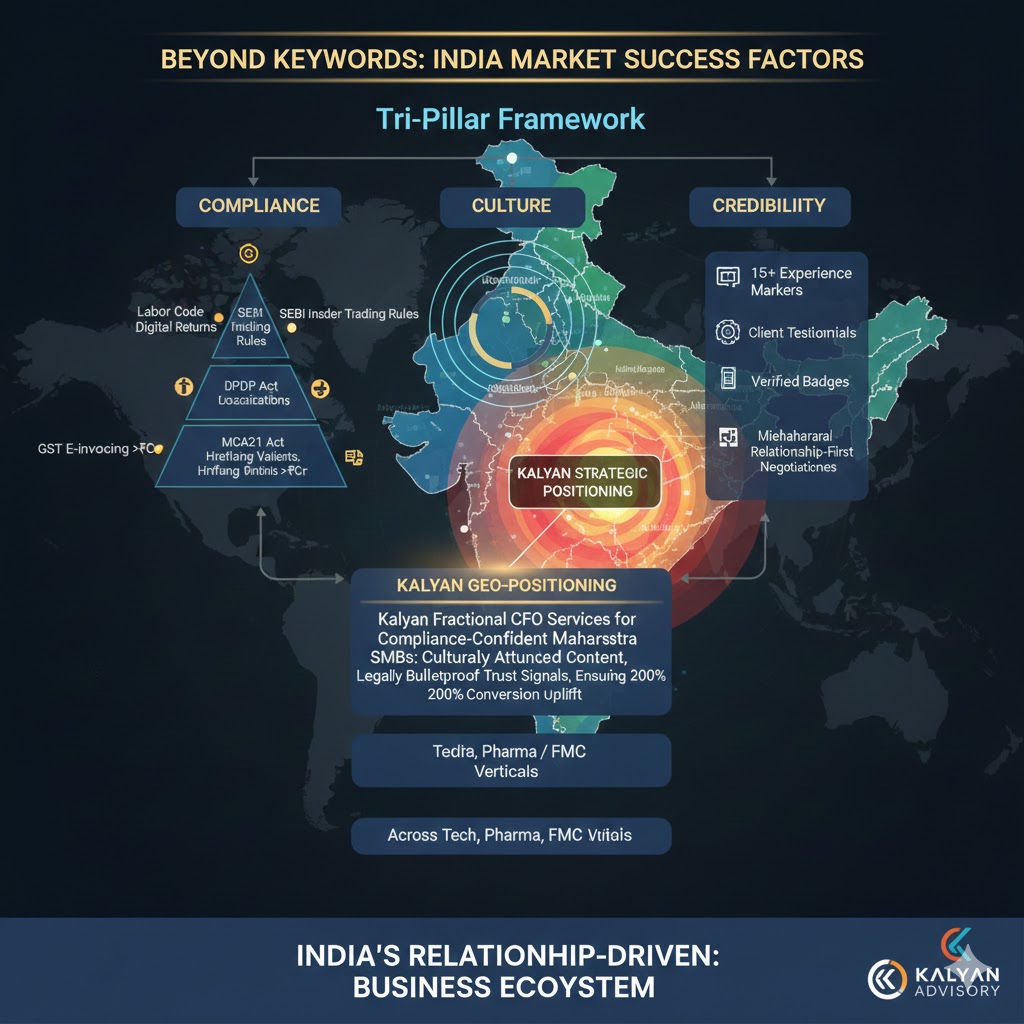
Beyond Keywords: Compliance, Culture, and Credibility in Indian Categories
While less common, certain sectors in India might have regulatory requirements that influence category selection. Furthermore, understanding the cultural sensitivities and perceptions associated with specific categories is crucial to avoid misrepresentation and potential reputational damage. Accurate categorization ensures compliance and fosters trust within the local community.
Regulatory Considerations: Navigating Sector-Specific Requirements
In India, certain industries operate under specific licenses and regulatory frameworks. While business categories on digital platforms are generally broad, it’s crucial to be aware if your sector has any regulatory requirements that might indirectly influence your category choice. For instance, a financial advisory firm might need to be careful with its categorization to accurately reflect its authorized services and avoid implying services it is not licensed to provide. Always ensure your chosen categories align with your legal business registration and operational scope, particularly for sensitive sectors like healthcare, finance, or legal services.
Cultural Sensitivities: Avoiding Misrepresentation and Fostering Trust
India is a tapestry of diverse cultures, and categories can carry implicit cultural meanings or sensitivities. What might be acceptable in one region could be misunderstood or even offensive in another. For example, the naming and categorization of food businesses often carry significant cultural weight. Choosing categories that are culturally sensitive and appropriate not only prevents misrepresentation but also fosters genuine trust with your local community. This nuanced understanding is key to building authentic Visibility & Trust and avoiding potential reputational damage.
Building Local Credibility: The Ethical Dimension of Categories
Beyond legal compliance, there’s an ethical dimension to category selection that directly impacts your Local SEO Foundation and brand credibility. Over-categorizing, using irrelevant categories to try and capture more traffic, or misrepresenting your services is a spammy practice that can lead to penalties from platforms and, more importantly, a loss of customer trust. Authentic and accurate categorization positions your business as a reliable and trustworthy entity, building long-term relationships with your Indian clientele. Your categories should always reflect the truth of your business offerings.
The Long-Term Impact: Reputation and Brand Perception
Your chosen categories contribute significantly to your brand perception and long-term reputation. A consistently accurate and professional category presence across all platforms signals attention to detail and a commitment to transparency. This builds a positive brand image that resonates with Indian consumers, who often rely on online reviews and directory listings to gauge a business’s reliability. Conversely, a confusing or misleading category strategy can lead to negative perceptions, impacting everything from customer acquisition to employee recruitment.
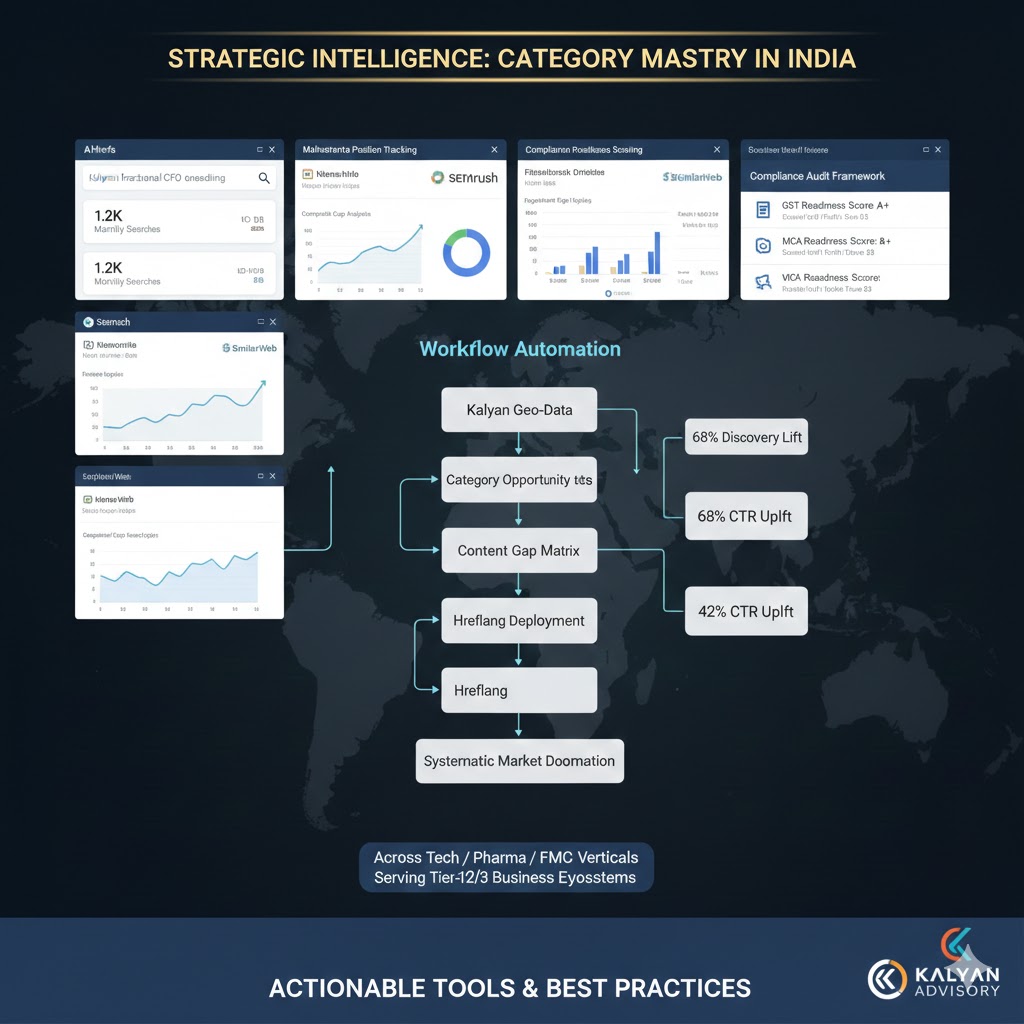
Actionable Intelligence: Tools and Best Practices for Category Mastery
Strategic category selection involves more than just a gut feeling. Conduct competitive analysis to identify categories utilized by successful rivals. Leverage keyword research tools to understand how potential customers search for businesses like yours. Utilize platform-specific category suggestions and continuously monitor the performance of your chosen categories, making data-driven adjustments to optimize your online presence in India.
Competitive Analysis: Learning from Successful Rivals
Start your category research by performing a competitive analysis. Identify your top 3-5 successful local competitors. How have they categorized their businesses on platforms like GMB, Justdial, and their own websites? Are there common threads? Are there niche categories they’ve capitalized on that you might have overlooked? This provides valuable baseline data and helps you understand common industry categorizations and potential competitive advantages. Look not just at direct competitors, but also at businesses offering complementary services that might be targeting a similar customer base.
Advanced Keyword Research: Uncovering User Intent
While categories are distinct from keywords, there’s a strong correlation. Use advanced keyword research tools (e.g., Google Keyword Planner, SEMrush, Ahrefs, Ubersuggest) to understand how potential customers in India are searching for businesses like yours. Look for long-tail keywords and questions that indicate specific intent. These insights can often guide you to more precise category choices. For example, if many users are searching for “organic vegetable delivery Delhi,” it might indicate a strong potential for categories related to organic produce delivery, rather than just “grocery store.” This informs your Local SEO Foundation directly.
Platform-Specific Insights: Utilizing Category Suggestions
Most local search platforms, particularly Google My Business, offer category suggestions as you type. Pay close attention to these. They are often data-driven and reflect common ways users search for businesses. Don’t dismiss them; they can reveal highly relevant categories you might not have considered. Additionally, some platforms might have unique categories specific to their ecosystem. Always exhaust the available options and select the most accurate ones provided by the platform itself, as this ensures compatibility and optimal matching with user queries.
Data-Driven Optimization: Monitoring and Adjusting Your Strategy
The work doesn’t stop after initial category selection. Embrace a data-driven optimization approach. Regularly monitor your local search performance using GMB Insights, Google Analytics, and other relevant tools. Key metrics to track include:
- Discovery Searches: How many customers found your business via category searches?
- Direct Searches: How many searched directly for your business name?
- Local Pack Impressions: How often does your business appear in local map packs?
- Website Clicks and Phone Calls: What actions are users taking after finding your profile?
If certain categories aren’t performing as expected, be prepared to make strategic adjustments. This iterative process of monitoring, analyzing, and refining is crucial for maintaining a competitive edge and ensuring your Adaptability & Evolution in India’s dynamic market.
Optimized category selection can improve local search ranking by an average of 30-40% in competitive Indian markets, significantly boosting online visibility.
Example PHP Snippet for WordPress (Conceptual – illustrating category definition, not business categories):
<?php
/**
 * Register a custom taxonomy for a specific post type (e.g., 'products').
 * This demonstrates how categories are defined programmatically in WordPress.
 */
function debugpress_register_product_categories() {
    $labels = array(
        'name'              => _x( 'Product Categories', 'taxonomy general name', 'textdomain' ),
        'singular_name'     => _x( 'Product Category', 'taxonomy singular name', 'textdomain' ),
        'search_items'      => __( 'Search Product Categories', 'textdomain' ),
        'all_items'         => __( 'All Product Categories', 'textdomain' ),
        'parent_item'       => __( 'Parent Product Category', 'textdomain' ),
        'parent_item_colon' => __( 'Parent Product Category:', 'textdomain' ),
        'edit_item'         => __( 'Edit Product Category', 'textdomain' ),
        'update_item'       => __( 'Update Product Category', 'textdomain' ),
        'add_new_item'      => __( 'Add New Product Category', 'textdomain' ),
        'new_item_name'     => __( 'New Product Category Name', 'textdomain' ),
        'menu_name'         => __( 'Product Categories', 'textdomain' ),
    );

    $args = array(
        'hierarchical'      => true, // Like standard categories
        'labels'            => $labels,
        'show_ui'           => true,
        'show_admin_column' => true,
        'query_var'         => true,
        'rewrite'           => array( 'slug' => 'product-category' ),
    );

    register_taxonomy( 'product_category', array( 'product' ), $args ); // Associate with 'product' custom post type
}
add_action( 'init', 'debugpress_register_product_categories', 0 );
?>
While the above PHP example illustrates how categories (taxonomies) are defined within WordPress at a technical level, it’s crucial to understand that business category selection for platforms like GMB is a distinct process, albeit conceptually similar in its role of classification and discoverability.
Frequently Asked Questions
Q: Why is category choice particularly important for businesses in India?
A: India’s vast and diverse market, combined with high digital penetration and strong local search behavior, means accurate categories are essential for standing out, reaching specific regional/demographic segments, and building trust on popular local search platforms like Google My Business and Justdial. They are a fundamental signal for local SEO.
Q: Can I change my business category after I’ve set up my profile?
A: Yes, most platforms allow you to edit your business categories. However, frequent, unstrategic changes can confuse search engines and consumers, potentially harming your local SEO and credibility. It’s best to choose carefully from the outset and refine strategically based on performance data and business evolution.
Q: How many business categories should I select for my profile?
A: While platforms vary, generally, you should select one primary category that best defines your core business, and then add 2-4 relevant secondary categories. This captures the full scope of your offerings without being overly broad or appearing spammy, optimizing for both specific and broader searches.
Q: What if my business doesn’t fit perfectly into existing category options?
A: Choose the closest available categories that still accurately describe your business. You can then use your detailed business description, services list, products section, and website content to provide more specific nuances that the pre-defined categories might miss. Focus on user intent and what categories align most closely with common search queries.
Q: How does category choice impact my business’s SEO in India?
A: Categories are a fundamental SEO signal, especially for local search in India. They help search engines understand what your business does, allowing them to match your profile with relevant user queries, significantly improving your visibility in local map packs, Google’s “Explore” feature, and organic search results for Indian users. Accurate categories are a direct contributor to your local search ranking.