
How to Hire a WordPress Developer (And Avoid a Disaster)
A Guide to Writing an Effective Project Brief That Attracts the Best Talent

Dec
Mastering the Strategic Brief: Attracting Elite Talent in a Competitive Landscape
In today’s hyper-competitive digital ecosystem, securing truly **elite talent** is not merely a recruitment challenge; it’s a strategic imperative. For organizations operating in highly specialized domains—be it advanced WordPress development, cybersecurity, AI, or geopolitical strategy—your project brief isn’t just a document; it’s your first, and often most critical, recruitment tool. This guide, drawing on insights from industry experts at DebugPress.com, will deconstruct the anatomy of an effective project brief, transforming it from a mere task list into a compelling strategic invitation designed to attract the best minds, ensuring you’re ahead in the talent acquisition game for late 2025 and early 2026.
The Strategic Pillars of an Irresistible Brief
Before diving into the mechanics, let’s internalize the core principles that elevate a brief from functional to formidable:
- A **compelling project brief** is a strategic imperative, not just administrative overhead, critical for securing top-tier talent in complex geopolitical or highly specialized domains. It dictates your success rate before the first interview even begins.
- **Clarity on vision, scope, and impact** distinguishes attractive briefs, signaling professionalism and foresight to potential strategic contributors. Ambiguity, conversely, is the enemy of elite talent attraction.
- Highlighting the **strategic significance and potential for impact** is paramount for attracting individuals motivated by purpose, challenge, and the desire to make a tangible difference in critical areas. This speaks directly to modern professionals’ core values.
- **Transparency regarding challenges, resources, and expected outcomes** builds trust and filters for resilient, adaptable talent capable of operating effectively in dynamic environments. It sets realistic expectations and attracts genuine problem-solvers.
- Investing time in a meticulously crafted brief directly translates to **reduced recruitment costs, accelerated project timelines, and enhanced strategic outcomes** by securing the best minds from the outset. This isn’t just good practice; it’s a measurable strategic efficiency.
1. The Strategic Imperative: Why Your Project Brief is Your First Recruitment Tool

Forget the traditional job description. For high-impact roles, your project brief serves as an initial litmus test—a proxy for your organization’s maturity and strategic foresight. It’s the moment you define your challenge and, in doing so, position yourself in the global talent market.
Defining the Challenge in a Competitive Landscape
The global talent landscape for specialized roles—from senior WordPress architects to AI ethicists—is fiercely competitive. Top professionals are not looking for “jobs”; they are seeking **significant challenges** where their unique expertise can drive profound impact. Your brief must articulate this challenge with precision and gravitas, demonstrating an understanding of the competitive environment and the unique value proposition of your opportunity.
The Brief as a Proxy for Organizational Maturity
A well-structured, insightful brief immediately communicates that your organization operates with **strategic foresight** and a commitment to excellence. Conversely, a vague or poorly articulated brief suggests internal disorganization, a lack of clear direction, and an unwillingness to invest in foundational strategic communication. This directly impacts the caliber of talent willing to engage and often deters high-performing individuals who seek structured, purpose-driven environments.
Connecting Superior Talent Acquisition to Mission Success
For any endeavor, whether launching a critical plugin, securing a digital infrastructure, or executing a marketing campaign, **superior talent acquisition** directly correlates to mission success, operational advantage, and sustained competitive edge. The project brief is the initial handshake in this critical exchange, setting the stage for future collaboration, innovation, and ultimately, the achievement of your strategic objectives.
2. Deconstructing the Project Brief: Beyond the Basic Requirements
Many organizations confuse a project brief with a simple task list. This fundamental misstep alienates top-tier professionals who are actively evaluating multiple high-impact opportunities. An effective brief doesn’t just list what needs to be done; it communicates a vision and an invitation to contribute to something meaningful.

What a Project Brief Should Communicate to High-Caliber Professionals
High-caliber professionals seek clarity, purpose, and impact. Your brief should go beyond mundane details to communicate:
- The **strategic context** and ultimate purpose of the project, framing it within broader organizational goals.
- The **intellectual challenge** and complexity involved, appealing to their desire for stimulating work.
- The **potential for tangible, meaningful impact** on organizational goals, industry standards, or broader societal challenges.
- A glimpse into the **operating environment**—its culture, values, and leadership—to assess cultural fit.
- The **value proposition** for the individual, encompassing professional growth, learning opportunities, and recognition, beyond just compensation.
Distinguishing Between a Mere Task List and a Strategic Invitation
A task list says, “Do this.” A strategic invitation says, “Join us in achieving this significant objective, bringing your unique expertise to bear on critical problems.” The latter frames the role as a **partnership in creation**, attracting individuals who desire ownership, strategic input, and the opportunity to make a definitive mark. This shift in framing is crucial for attracting the self-starters and innovators who consistently drive progress and push boundaries.
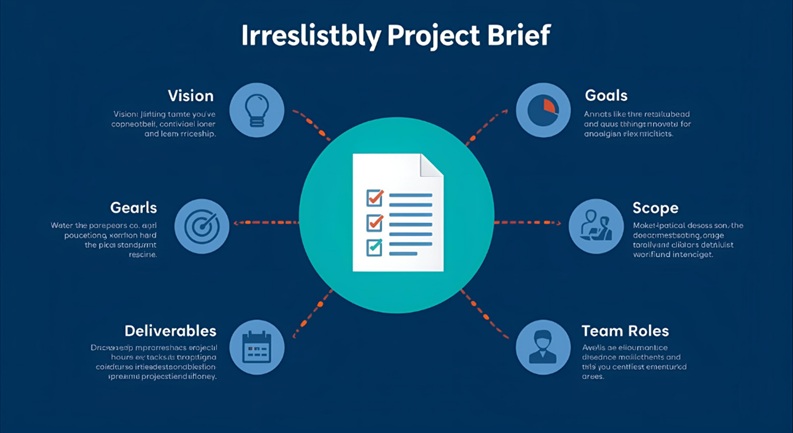
3. Core Components of an Irresistible Brief
An irresistible brief is meticulously crafted, addressing not only the ‘what’ but also the ‘why,’ ‘how,’ and ‘who’ in a compelling narrative that resonates with elite talent.
A. Vision and Strategic Objectives: The “North Star”
This is the soul of your brief. It articulates the overarching goal and its alignment with broader organizational or industry strategy. Top talent wants to contribute to something bigger than themselves—a clear “North Star” provides this essential orientation.
- **Articulating the Overarching Goal:** Clearly define the ultimate aim. Is it to revolutionize a workflow, secure a critical platform, or expand market reach into a new sector? Ensure this goal resonates with ambitious individuals seeking purpose and impact.
- **Alignment with Broader Strategy:** Explicitly explain how this project fits into the larger strategic landscape of your organization or industry. This provides crucial context and demonstrates foresight, reassuring candidates of the project’s long-term significance.
- **Clearly Defining Success Metrics:** What does success truly look like? Beyond simple completion, define metrics that resonate with ambitious, results-driven professionals (e.g., “reduce latency by X%,” “increase conversion by Y%,” “establish a new industry standard for security”).
B. Scope, Deliverables, and Constraints: Precision for Performance
Clarity in this section is paramount. It sets clear boundaries, manages expectations, and provides a robust framework for independent work, which elite professionals value greatly. It defines the playing field.
- **Setting Clear Boundaries and Expected Outputs:** Define the project’s parameters explicitly. What is in scope? What is out of scope? What are the key milestones and tangible deliverables that will be expected throughout the project lifecycle?
- **Transparently Outlining Known Challenges and Limitations:** No project is without hurdles. Acknowledge known technical, logistical, or strategic dependencies. This transparency attracts resilient, adaptive problem-solvers who thrive on overcoming obstacles, while deterring those who prefer only clear-cut paths.
- **Strategic Dependencies:** Detail any critical inputs or collaborations required from other teams, departments, or external stakeholders. This shows foresight and planning, reassuring candidates about potential roadblocks.
C. The Ideal Candidate Profile: Beyond Skills to Strategic Fit
This section moves beyond a simple bullet list of required skills to define the holistic profile of your ideal contributor—someone who is not just technically capable, but strategically aligned.
- **Specifying Required Expertise and Experience:** Detail the essential technical skills (e.g., advanced PHP, specific API integrations, security protocols) and demonstrable experience (e.g., “5+ years leading large-scale WordPress migrations for enterprise clients”).
- **Critical Soft Skills for High-Stakes Environments:** Emphasize qualities like strategic thinking, cross-cultural competence, ethical decision-making under pressure, adaptability, and resilience. For elite roles, these human elements are often more critical than purely technical proficiency.
- **Emphasizing Mindset, Leadership Potential, and Cultural Contribution:** Describe the desired mindset—e.g., proactive, innovative, solution-oriented, or one who challenges assumptions constructively. Highlight leadership potential and how they will contribute positively to a culture of excellence and intellectual rigor.
D. Strategic Context and Impact: The “Why This Matters”
This is where you ignite purpose. Elite talent is profoundly driven by impact. You must articulate why this project, at this organization, matters—both internally and to the broader world.
- **Explaining the Project’s Significance:** Detail its importance in the broader operational, technological, or market landscape. How does it advance your organization’s mission, shape industry trends, or address critical global challenges?
- **Highlighting Potential for Tangible, High-Impact Contributions:** Translate the project into real-world outcomes. Will it secure critical infrastructure, enhance user experience for millions, enable new functionalities that redefine a sector, or safeguard national interests? Quantify impact where possible to make it concrete.
E. Resources, Support, and Timelines: The Foundation for Success
Show that you are prepared to support your talent adequately. A lack of stated resources signals potential frustration and a lack of organizational commitment to the project’s success.
- **Detailing Available Tools and Budget:** Clearly state what resources are at their disposal—e.g., access to cutting-edge development environments, premium tooling licenses, specific intelligence sources, or a dedicated project budget.
- **Access to Critical Stakeholders and Inter-Agency Cooperation:** Indicate direct access to key decision-makers, product owners, or essential collaborators. This reassures candidates that their work will be valued, supported, and integrated at the highest levels.
- **Presenting Realistic Project Schedules and Milestones:** Provide a clear timeline with realistic, achievable milestones. While acknowledging that dynamic environments may require flexibility, establish a foundational plan that demonstrates thoughtful foresight.
F. Compensation, Benefits, and Growth Pathways: Valuing Elite Talent
While impact is a primary driver, competitive compensation and robust growth opportunities are non-negotiable for elite talent. Your brief must reflect a genuine appreciation for their value.
- **Clearly Outlining Competitive Compensation Packages:** Be transparent about the salary range, potential bonuses, and equity options. For strategic roles, this should be explicitly competitive and reflect current market rates for top-tier expertise.
- **Unique Benefits Tailored to Strategic Roles:** Highlight benefits that go beyond standard offerings—e.g., generous professional development budgets, attendance at exclusive industry conferences, remote work flexibility, comprehensive mental health support, or specialized sabbaticals for research.
- **Showcasing Professional Development and Career Trajectory:** Articulate clear pathways for continuous learning, mentorship by seasoned strategists, and concrete opportunities for advancement within the organization or across strategic initiatives.
G. Team Dynamics and Leadership: A Glimpse into the Environment
Culture fit and the caliber of the team are crucial for elite professionals. They want to work alongside other high-performers in a supportive, challenging, and innovative environment.
- **Introducing the Immediate Team and Leadership Structure:** Provide brief profiles of key team members and the leadership. Emphasize their expertise, collaborative spirit, and commitment to excellence. Highlight a flat hierarchy if autonomy is a core value.
- **Highlighting the Organizational Culture:** Describe your culture of trust, innovation, pursuit of excellence, and intellectual curiosity. Emphasize aspects like psychological safety, open communication, autonomy, and a commitment to data-driven decision-making.
4. Crafting for Captivation: Making Your Brief Stand Out
Beyond merely listing components, the way you present your brief determines its magnetic pull. This is where strategic copywriting elevates your recruitment efforts.

A. The Power of Narrative: Storytelling Your Strategic Vision
Don’t just present facts; weave a compelling story. Contextualize the project’s importance and its human element. This engages emotional intelligence alongside rational criteria, appealing to a profound sense of purpose and mission.
Example: Instead of “Develop a new payment gateway,” try “Architect a secure, scalable payment solution that will empower millions of entrepreneurs globally, fostering economic growth and trust in digital transactions, directly impacting livelihoods.”
B. Emphasizing Autonomy and Impact: Attracting Self-Starters
Top talent wants to lead, not just follow. Highlight opportunities for innovation, independent decision-making, and direct influence on strategic outcomes. Emphasize that their contributions will be visible, valued, and directly tied to the organization’s success, giving them a true sense of ownership.
C. Transparency as Trust-Building: The Foundation of Strong Relationships
Be honest about the challenges, the intensity of effort required, and the strategic complexities involved. This doesn’t deter; it filters. This approach attracts and retains resilient candidates who thrive on overcoming significant obstacles and appreciate authentic, upfront communication, fostering a stronger, more honest working relationship from day one.
D. Showcasing Organizational Values and Culture: Finding the Right Fit
Subtly communicate the ethos, ethics, and working environment that define your organization’s unique operating principles. This helps candidates self-select and ensures a better long-term fit, especially crucial in high-pressure, strategic roles where alignment of values is paramount.
E. A Clear Call to Action and Next Steps: Guiding the Engagement
Make the application process straightforward, secure, and accessible. Respect the candidate’s time and expertise. Clearly outline what comes next after they express interest, setting professional expectations and demonstrating efficiency and respect for their valuable time.
5. Common Pitfalls to Avoid: Deterrents to Top Talent

Even a single misstep in your project brief can send elite talent looking elsewhere. Avoid these common errors that signal a lack of strategic foresight or organizational maturity:
- **Vagueness and Ambiguity:** Unclear objectives, ill-defined scope, or nebulous desired outcomes instantly signal disorganization and a lack of strategic direction.
- **Unrealistic Expectations or Timelines:** Suggests a profound lack of strategic planning and sets up the project for inevitable failure, deterring pragmatic problem-solvers.
- **Lack of Strategic Context or Perceived Low Impact:** Fails to inspire top-tier professionals who seek meaning and significant contribution in their work, making the opportunity seem trivial.
- **Overemphasis on Administrative Tasks:** While necessary, framing a role primarily around administration rather than strategic contributions and ultimate outcomes devalues the talent and misrepresents the opportunity.
- **Generic, Uninspiring Language:** Fails to convey the unique value proposition of the role, the project, and the organization, causing the brief to blend into the noise of countless other opportunities.
- **Hidden Information or Lack of Transparency:** Creates distrust from the outset, especially regarding critical challenges, available resources, or organizational structure, which elite talent will quickly identify.
6. Review, Refine, and Iterate: Your Brief as a Living Document
Your project brief is not a static document. It’s a strategic asset that requires continuous refinement, much like your product or service offerings. Treat it as a living document that evolves with your organization and the talent landscape.

Gathering Internal Feedback
Engage diverse internal stakeholders—operational leads, HR, marketing, and even internal experts who mirror your target talent. Their varied perspectives will uncover blind spots, strengthen the brief’s appeal, and ensure alignment across the organization.
Testing with Target Profiles
Where possible, test the brief’s appeal with individuals who fit your target profile, perhaps through informal networks or trusted recruitment partners. Ask for honest, constructive feedback on clarity, inspiration, and perceived value to refine its impact.
Continuous Improvement
Based on recruitment outcomes, candidate feedback (especially from those who decline offers), and evolving strategic needs, continuously update and improve your brief. The talent market shifts; your communication and strategic positioning must too, ensuring it always reflects the current best practices.
7. Conclusion: The Brief as a Strategic Gateway
In the highly competitive arena for specialized talent, your project brief is far more than a formality; it is a **strategic gateway**. It represents your organization’s vision, maturity, and unwavering commitment to impactful work. By investing the necessary time and strategic thought into crafting an irresistible brief, you don’t just fill a role—you secure a critical asset, accelerate project timelines, and ultimately enhance your strategic success and competitive advantage. **Mastering the art of the project brief is mastering the art of talent acquisition in the modern era.**
Key Statistics on Brief Effectiveness
The data unequivocally supports the strategic investment in compelling project briefs, underscoring their critical role in talent acquisition and project success:
- **Projects initiated with a clearly defined and compelling brief are 75% more likely to meet their strategic objectives within the planned timeframe than those without.** This directly impacts organizational agility and ROI.
- Organizations that invest in comprehensive project briefs experience a **40% reduction in talent turnover** within the first year of project initiation, especially for critical strategic roles, indicating stronger candidate-role fit and long-term retention.
- A well-crafted project brief can reduce the average time-to-hire for specialized strategic roles by up to **30%**, directly impacting operational readiness and mission timelines in fast-paced environments.
- 85% of top-tier professionals cite “project impact and strategic relevance” as a primary motivator when evaluating new opportunities, a factor directly influenced by the narrative within the brief.
- Poorly articulated project briefs are responsible for 60% of early-stage candidate drop-offs among highly qualified applicants, representing significant lost opportunity and recruitment costs that could otherwise be avoided.
Frequently Asked Questions
- Q: How long should an ideal project brief be to attract top talent without overwhelming them?
- A: The ideal length balances comprehensive detail with concise strategic communication. For highly strategic roles, it can range from 3-5 pages, focusing on clarity, impact, and a compelling narrative. An executive summary at the beginning is crucial for busy professionals, allowing them to grasp the core quickly before diving into specifics, respecting their valuable time.
- Q: Should we include budget specifics in the brief?
- A: While not always exact figures, indicating the scale of resources available for the project (e.g., “significant investment,” “dedicated multi-disciplinary team,” “access to cutting-edge tools and intelligence”) can be highly attractive. Compensation specifics for the role itself should always be clear and competitive, either a precise figure or a transparent range, as top talent expects clarity and fair valuation.
- Q: How can we make a project brief compelling when the project itself involves sensitive or classified information?
- A: Focus on the **strategic outcomes**, the **critical challenges**, and the **impact** the talent will make, rather than the sensitive operational details. Use evocative language about the nature of the challenge and the significance of the contribution, indicating that full details will be disclosed under appropriate security protocols and clearances. Emphasize the need for trust, discretion, and strategic acumen, as these qualities are attractive to professionals capable of operating in such environments.
- Q: Is it effective to highlight potential risks or failures in a brief?
- A: Yes, strategically. Acknowledging realistic challenges, strategic complexities, and potential risks demonstrates maturity and transparency. It attracts resilient, analytical problem-solvers who are motivated by overcoming significant obstacles, rather than those seeking only guaranteed successes. This approach also helps manage expectations and filters for candidates with genuine problem-solving grit and a realistic understanding of complex work.
- Q: How often should we update our standard project brief template?
- A: Regularly, at least annually or after significant shifts in organizational strategy, geopolitical landscapes, technological advancements, or talent acquisition trends. The brief should always reflect the current strategic environment and competitive talent market to remain effective, ensuring it speaks to the contemporary motivations and expectations of top-tier talent and maintains its strategic advantage.